
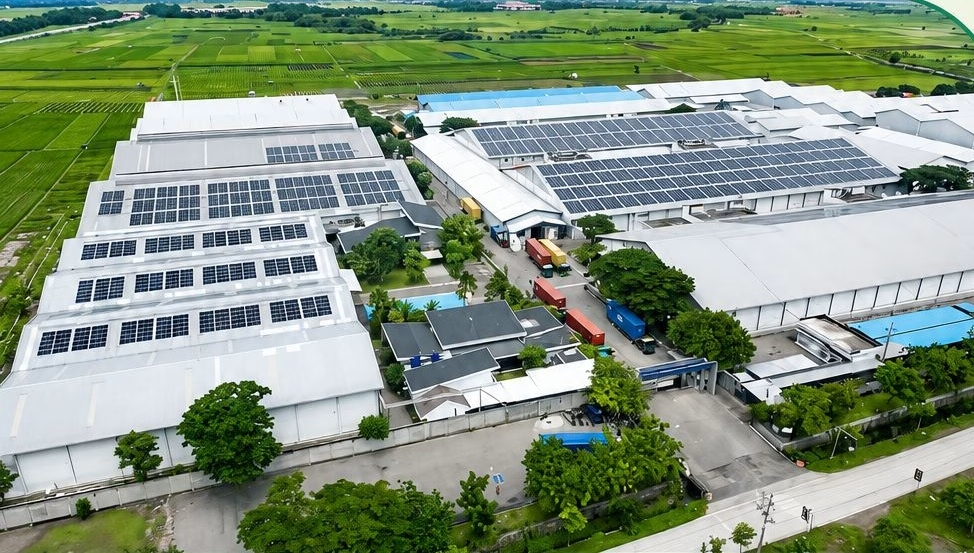

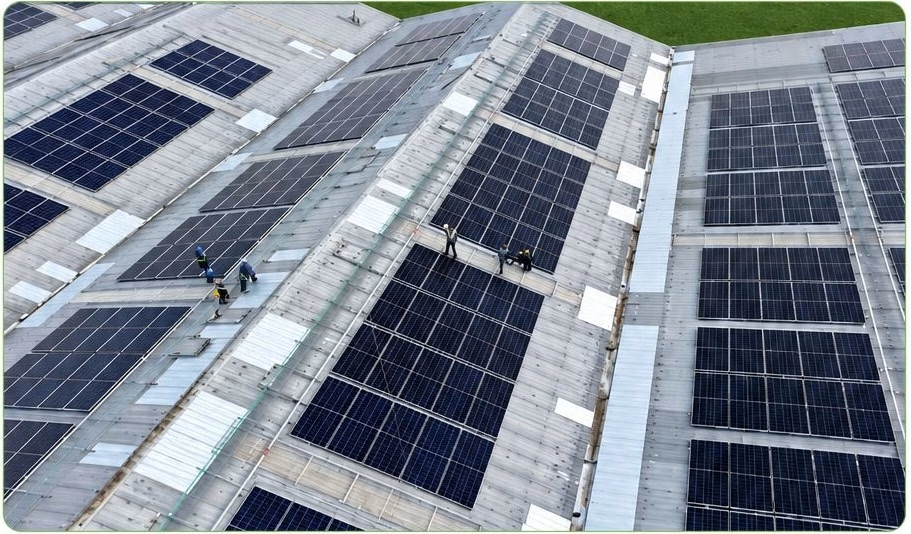
Solar Powered
Clean, renewable energy for sustainable operations
Integrated Circularity
Recycling Textile Waste To Yarn and Gloves in one facility

Operational Efficiency
Streamlined processes for consistent quality

Lower Impact
Responsible resource use and reduced emissions

Future Ready
Innovative solutions for a greener tomorrow
Advancing Circularity
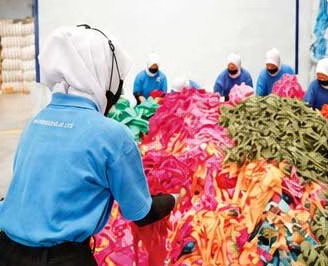
Maintained ~80% recycled material input using our signature “Color Sorting” process. By eliminating the chemical dyeing stage, we help prevent water pollution, avoid thermal emissions, and reduce chemical exposure risks.

Empowering Communities & MSMEs
Our local sourcing model supports collectors, sorters, and downstream MSMEs, helping create broader economic value around responsible textile recycling.

Strengthening Local Supply Chains
Domestic supplier spending increased to 77.5%, up from 73.5% in 2024, generating a stronger economic multiplier effect in East Java.
REACH
Chemical safety, compliance, and responsible product management.

California Proposition 65
Transparency on exposure to harmful chemicals and safer product use.

OEKO-TEX Standard 100
Textile components tested for harmful substances and trusted material quality.
EN Certification
European safety, quality, and performance standards.
ISO 9001:2015
Structured quality management for consistent product and process quality.

Global Recycled Standard
Recycled content verification and responsible production practices.
RoHS
Restriction of hazardous substances for safer materials and manufacturing.
RCS Blended
Recycled content traceability and credible sustainability claims.
CE Marking
Compliance with European health, safety, and environmental standards.

amfori BSCI
Ethical sourcing, fair labor practices, and social responsibility standards.
SDG 6 – Clean Water and Sanitation
By eliminating dyeing processes, we prevent water pollution and conserve industrial water usage.
SDG 5 – Gender Equality
Maintaining equal opportunity across all operational levels.
SDG 7 – Affordable and Clean Energy
Adopting renewable energy through solar systems and continuously optimizing operational energy efficiency.
SDG 8 – Decent Work and Economic Growth
Providing stable employment, supporting downstream MSMEs, and maintaining fair labor practices.
SDG 12 – Responsible Consumption and Production
Recycling textile waste into new products, closing the loop on material usage, and enabling responsible resource use.
SDG 11 – Sustainable Cities and Communities
Fostering inclusive local development in Nganjuk and Gresik.
SDG 13 – Climate Action
Relying on recycled materials to significantly lower emissions associated with raw material cultivation and processing.
Global Goals for 2030
The SDGs are a shared blueprint for peace, prosperity, people, and the planet by 2030.